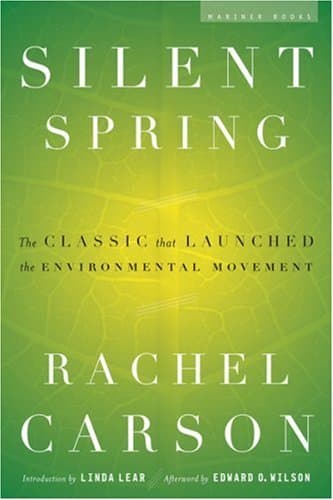
Musim Semi yang Sunyi
4.06
55,181 rating·4,462 ulasan
"Musim Semi yang Sunyi" adalah buku tentang ilmu lingkungan yang mendokumentasikan dampak buruk penggunaan pestisida yang tidak terkendali terhadap lingkungan. Carson menuduh industri kimia menyebarkan disinformasi, dan pejabat publik menerima klaim pemasaran industri tanpa bertanya. Buku ini terbit...
- halaman
- 378
- Format
- Paperback
- Terbit
- 2002-10-22
- Penerbit
- Mariner Books
- ISBN
- 9780618249060
Tentang penulis
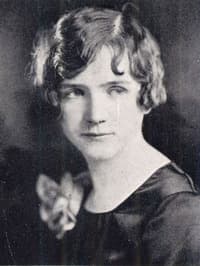
Rachel Carson
56 buku · 0 pengikut
Rachel Louise Carson (May 27, 1907 – April 14, 1964) was an American marine biologist and conservationist whose book Silent Spring and other writings are credited with advancing the global environmental movement.Carson began her career as an aquatic biologist in the U.S. Bureau of Fisheries, and became a full-time natu...
Pembaca juga menyukai
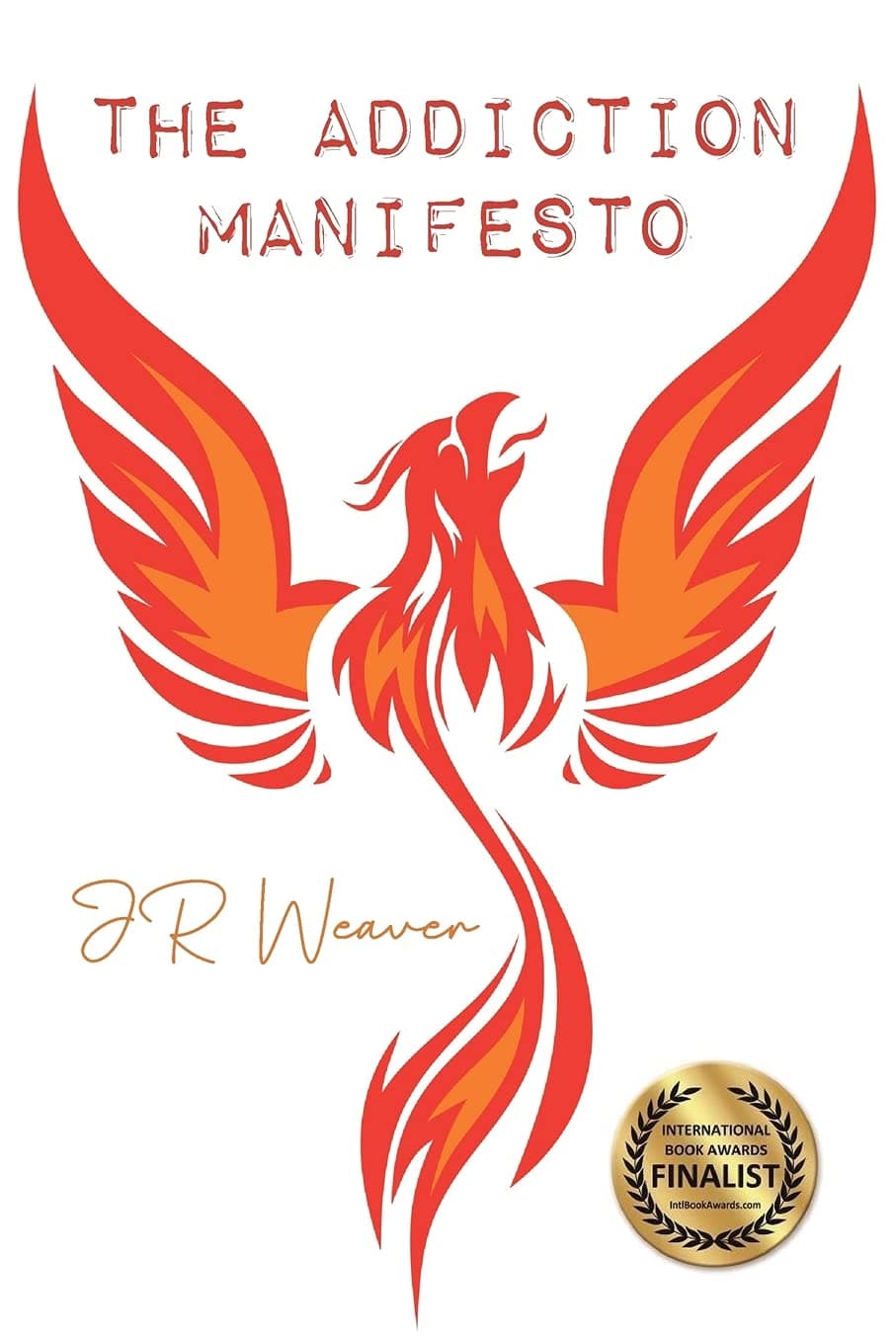
Manifesto Kecanduan: Jalan Menuju Pemulihan
Jerry Weaver
Takdir Sebuah Hari: Perang untuk Amerika, Fort Ticonderoga hingga Charleston, 1777-1780 (Trilogi Revolusi, #2)
Rick Atkinson
Alkitab Aplikasi Kehidupan: NIV
Anonymous
Alkitab: Versi Internasional Baru
Anonymous
J.R.R. Tolkien: Kotak Set 4 Buku – The Hobbit & The Lord of the Rings
J.R.R. Tolkien
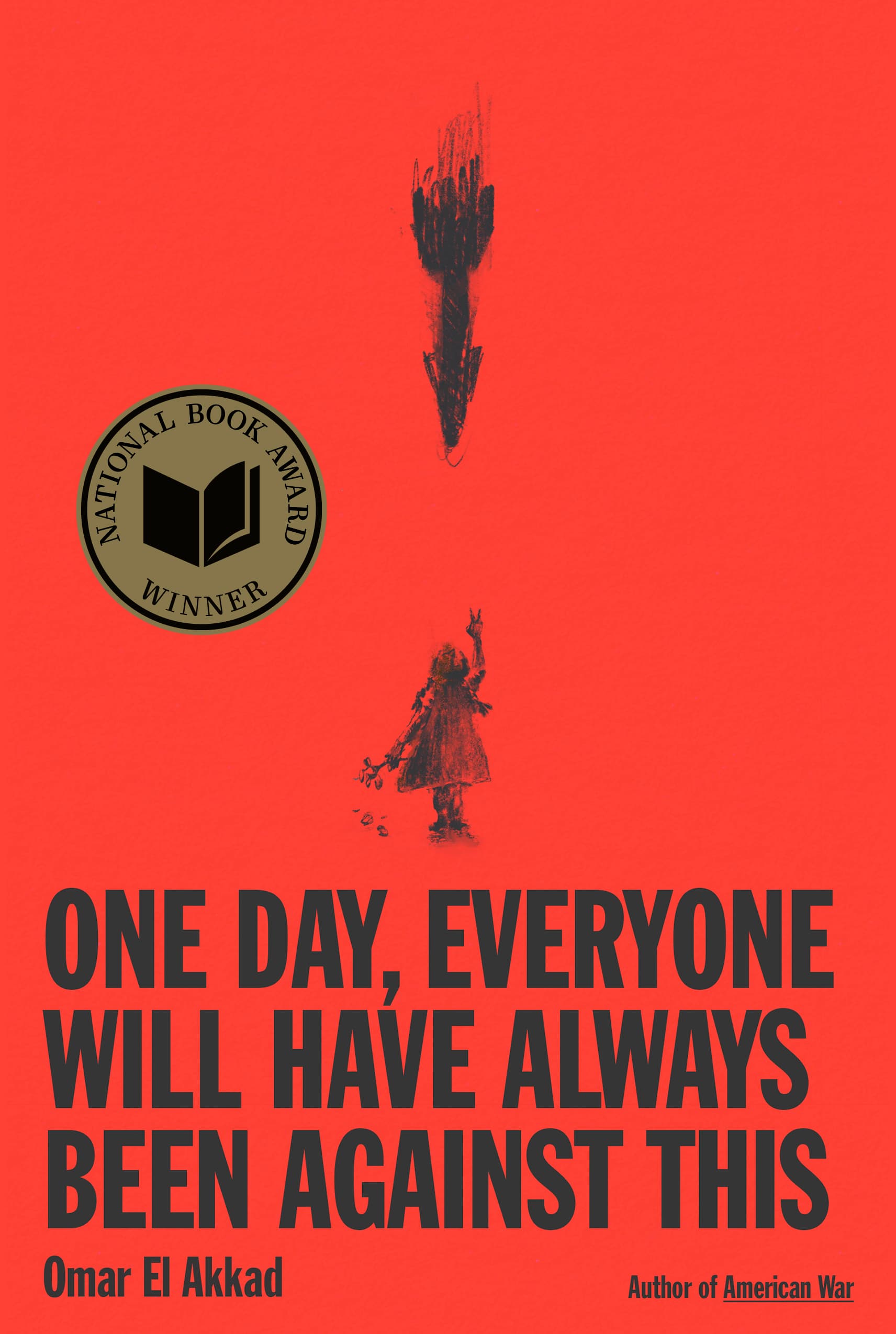
Kelak, Semua Orang Akan Selalu Menentang Ini
Omar El Akkad
Rating dan Ulasan
What do you think?
Ulasan Komunitas
4,462 ulasan4.1
55,181 rating
5
45%
4
30%
3
15%
2
7%
1
3%

Sean Barrs ·4 years ago
Netflix recently released a documentary called Seaspiracy, which details exactly how the fishing industry is decimating the ocean. Have you seen it yet?Seven years prior another documentary called Cowspiracy: The Sustainability Secret detailed exactly how animal agriculture, namely cow farming, is decimating the natural world. And this is not a new phenomenon or a new discovery. Writers as far back as Plato have been discussing the environmental problems associated with animal farming and its la...

Paul Haspel·5 years ago
The “silent spring” that Rachel Carson anticipated in her 1962 classic of environmentalist literature became a lived reality in the spring of 2020, when people around the world sheltered in their homes and a busy world turned eerily quiet. It may not have been exactly the kind of “silent spring” that Carson predicted, but it is one that should get all people everywhere thinking very carefully about the way we treat our world. As prescient now as it was half a century ago, Rachel Carson’s Silent ...

Jan-Maat·6 years ago
"We stand now where two roads diverge. But unlike the roads in Robert Frost's poem, they are not equally fair. The road we are travelling is deceptively easy, a smooth superhighway on which we progress with great speed, but at its end lies disaster. The other fork of the road - the one 'less travelled by' - offers our last, our only chance to reach a destination that assures the preservation of our earth". (p.240)I found Rachel Carson's famous Silent Spring a beautifully written book, that in t...

Mario the lone bookwolf·7 years ago
One person alone can achieve anything if there is a dedicated public behind it.It´s inspiring to see what a human with a vision has achieved on his own, because the book has changed the behavior of one of the most influential, one could also use other adjectives, governments of the world. Although only in the short term and partly, but at least a beginning until corporate environmentalism and greenwashing came and ruined everything again.More than half a century after its publication, politics a...

Roy Lotz·8 years ago
Advocacy is tricky. When you’re trying to motivate people to take action, you need to decide whether to appeal to the head, to the heart, to some combination of the two, or perhaps to some more delicate faculty. Upton Sinclair miscalculated when he wrote The Jungle, aiming for the heart but instead hitting the stomach; and as a result, the book was interpreted as an exposé of the meat industry rather than a plea for the working poor. Aldo Leopold, in A Sand County Almanac, eschews appeals to exp...

Dave Schaafsma·8 years ago
7/17/2020: Silent Spring, one of the most environmentally significant publications in history, was published on September 20, 1962. I update this review in the face of some mildly encouraging news on speaking to climate change from the Biden administration, which I hope is not as I fear, too little, too late.7/29/25: Ah, but it was too good to be true, and was too little, too late, and 47 and his ignorant thugs have this to say about conservation and ecology and climate change today, in the face...

Chrissie·9 years ago
This is a classic. It has not lost its validity. It has an important global message still today, 54 years after publication. Everyone should read this at least once. This reads as a horror story, but it is true. -The scientific studies are numerous, clear and to the point.-The demise of habitats and living creatures are lyrically depicted. -The author expertly alternates between poetic expression and scientific accuracy.-Eloquent prose. That’s the essential.Carson shows through carefully identif...

Debbie "DJ"·10 years ago
How could I forget the first book I read about pesticides, and how they are destroying our planet? Rachel Carson is literally my hero. After reading Carson's book, I decided this is what I wanted to do with my life. I spent many years in the field of environmental geology, and I have her to thank. I believe this book is as relevant today as it was when she wrote it in 1962. She has an ease of writing, that not only expresses her deep concerns for the environment, but also feels highly personal. ...

Riku Sayuj·14 years ago
A must read book for the concerned. Carson brings forth, without ever putting on alarmist garbs, all the horrors of the warfare that we have undertaken against ourselves. The book is of course outdated and most of the bigger concerns have been, if not addressed, at least taken seriously. But the true value of the book is in understanding how long a time frame has to elapse before such matters of truly catastrophic nature follows the process of scientific suspicion, investigation, verification, t...

Ken-ichi·17 years ago
I picked this up because it's a a classic of American nature and environmental writing, and ostensibly marks the beginning of American environmental activism in the modern sense (i.e. more "we deserve not to be poisoned" than "leisure grounds for posterity"). I found the rhetorical style interesting. She breaks the book up into chapters on where toxins come from, how they accumulate and spread, and what effects they have on wildlife, food, and human health. In each, she offloads tale after tale ...