
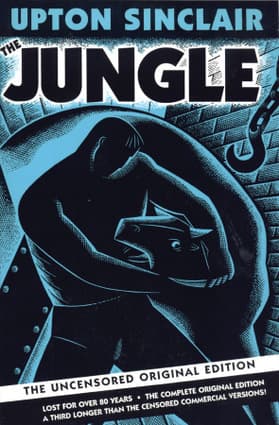
La Giungla: Edizione Integrale
3.78
155,037 valutazioni·8,284 recensioni
Per quasi un secolo, la versione originale del classico romanzo di Upton Sinclair è rimasta sconosciuta. Pubblicata a puntate nel 1905, era un terzo più lunga dell'edizione censurata e commerciale dell'anno successivo. Questa edizione epurata eliminò gran parte del sapore etnico originale, le descri...
- pagine
- 335
- Format
- Paperback
- Pubblicato
- 2003-04-01
- Editore
- See Sharp Press
- ISBN
- 9781884365300
Sull'autore
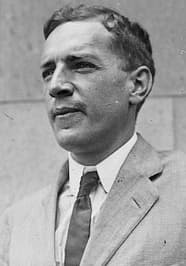
Upton Sinclair
729 libri · 0 follower
Upton Beall Sinclair, Jr. was an American author who wrote close to one hundred books in many genres. He achieved popularity in the first half of the twentieth century, acquiring particular fame for his classic muckraking novel,The Jungle(1906). To gather information for the novel, Sinclair spent seven weeks undercover...
Ai lettori è piaciuto anche
Harry Potter e la Pietra Filosofale (Harry Potter #1)
J.K. Rowling
Manifesto sulla Dipendenza
Jerry Weaver
Calvin & Hobbes: L'Essenziale
Bill Watterson
La Sacra Bibbia: Nuova Versione Internazionale
Anonymous
J.R.R. Tolkien: Lo Hobbit e Il Signore degli Anelli (Cofanetto 4 Volumi)
J.R.R. Tolkien
Harry Potter e i Doni della Morte
J.K. Rowling
Valutazione e Recensione
What do you think?
Recensioni della comunità
8,284 recensioni3.8
155,037 valutazioni
5
45%
4
30%
3
15%
2
7%
1
3%

Emily May·5 months ago
I was shocked and outraged by The Jungle, but I was probably even more shocked that I've lived my life up until this point only vaguely aware of this book. I had heard of Upton Sinclair and knew the title of his most famous work, but nobody ever told me what it was about or how truly horrifying it is. The Jungle was heavily censored for decades because Sinclair uncovered the atrocities happening in early 20th century Packingtown, Chicago, and in other places like it. Telling the heart-wrenching ...

Maziyar Yf·6 months ago
سلاخ خانه شیکاگو ، با نام اصلی جنگل ، کتابی است از آپتون سینکلر نویسنده آمریکایی . او زندگی کارگران مهاجر را در دل کشتارگاههای شیکاگو نشان داده؛ جایی که انسانها نه بهعنوان موجوداتی با احساس و دارای حق و حقوق و شان انسانی ، بلکه همچون قطعاتی از یک ماشین عظیم سرمایهداری به کار گرفته میشوند ، مانند ماشین کار میکنند اما سرانجام خود و رؤیاهایشان زیر چرخدندههای سرمایهداری له میشوند .در غرب خبری نیست !قهرمانان داستان او ، گروهی از مهاجران لیتوانیایی هستند که خانه و وطن خود را به امید زندگی به...
![s.penkevich [hiatus-will return-miss you all]](/_next/image?url=https%3A%2F%2Fimg.bookoka.com%2Freviews%2Fusers%2F6431467.jpg&w=96&q=75)
s.penkevich [hiatus-will return-miss you all]·3 years ago
‘I aimed at the public's heart, and by accident I hit it in the stomach.’-Upton SinclairThe Jungle is best known as the novel that led to the Meat Inspection Act and partially to the creation of the FDA after much public outcry against the unsanitary conditions of food processing and packaging. However, this was not the aim of the book and the unsanitary food was but a mere detail in a novel written to expose the horrific conditions of the working class, from unsafe conditions at work, corrupt f...

Roy Lotz·8 years ago
Every day in New York they slaughterfour million ducksfive million pigsand two thousand doves for the pleasure of the dying,a million cowsa million lambsand two million roosters,that leave the sky in splinters. —Federico García LorcaI expected to dislike this book, because it is a book aimed at provoking outrage. Outrage is a species of anger, and, like all species of anger, it can feel oddly pleasurable. True, anger always contains dissatisfaction of some kind; but anger can also be an enormou...

Kater Cheek·13 years ago
I have a tendency to be easily swayed by arguments, so I asked a well-read friend for an antidote to Ayn Rand's ATLAS SHRUGGED. She suggested this book. If I ever get that wish where you get to resurrect people and have them at a dinner party, I'm going to have Ayn Rand and Upton Sinclair there together. That would be an awesome cage-fight between the philosophers.This book has an actual story with actual sympathetic characters. Well, they start out being sympathetic. Jurgis and Ona are a young ...

Danger·14 years ago
It's been a while since I read it, but I believe this book features a precocious young boy named Mowgli Rudkus who was raised by wolves. After singing a bunch of songs with bears and orangutans in the jungles of India, Mowgli immigrates to turn-of-the-century Chicago where he lives in abject poverty until he falls into an industrial meat grinder and becomes a hamburger. He is later served to Theodore Roosevelt for Thanksgiving dinner, 1906. This book also has the distinction of changing America'...

Jason Koivu·17 years ago
Reading The Jungle will have you wringing your fists Upton Sinclair style. Right up until I read it, The Jungle was one of those books I'd always heard of, but not heard about. I knew it was important, apparently, because everyone said so, but no one said why. (I guess I should have asked.) From what I gathered, it had something to do with the meat industry and its nefarious doings in the early 20th century, which led me to expect a dry, straight-forward, tell-all non-fiction revealing corruptio...

Robert Isenberg·17 years ago
Naturally, my high school English teacher felt it necessary to assign "The Jungle" to read over Thanksgiving break. As my Dad carved the turkey, the conversation went something like this:MOM: Could you pass the turkey?ME: Oh, yeah, great, why don't we pass the meat that untold numbers of Slavik immigrants had to die to process? Why don't we just spit in the face of the proleteriat and laugh, knowing that he's too malnourished to fight back.DAD: Are you okay?ME: Oh, sure, I'm great. And you know ...

Heidi·17 years ago
Whenever I've asked someone if they have read The Jungle, and if they have not read it, they always respond, "isn't that about the meat packing industry?". I think that response is exactly what the author was trying to point out is wrong with his society at the time. It is true that the main character of the book at one point goes to work in a meat packing plant, and its disgusting, and when the book was published apparently the FDA was created as a result, or something. The problem is, though, ...

Rachel·18 years ago
(written 6-03)Wow. Now I can see why this book had such a big impression on those who read it in the early twentieth century. Really heart-wrenching (and gut-wrenching) stuff. There's the famous quote that Sinclair said he aimed for the public's heart and hit it in the stomach instead. I guess people didn't care much for the Socialism stuff, but when they learned what exactly their sausage was made of, they got mad.It was surprising how much Sinclair reminds me of Ayn Rand, especially considerin...