
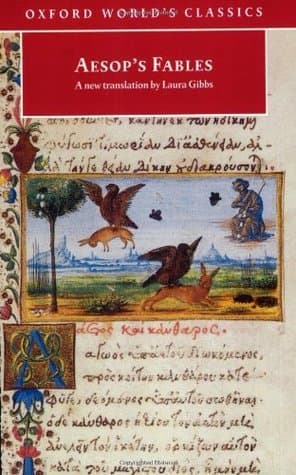
Favole di Esopo
4.05
129,851 valutazioni·2,996 recensioni
Le favole di Esopo sono una delle tradizioni più durature della cultura europea, tramandate per quasi due millenni. Si narra che Esopo fosse uno schiavo taciturno che ricevette miracolosamente il dono della parola; dalla sua leggendaria narrazione nacquero le raccolte di favole in prosa e versi spar...
- pagine
- 352
- Format
- Paperback
- Pubblicato
- 2003-04-10
- Editore
- Oxford University Press
- ISBN
- 9780192840509
Sull'autore
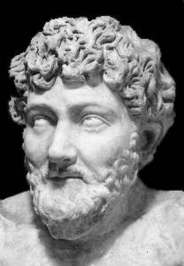
Aesop
1000 libri · 0 follower
620 BC - 564 BCTradition considers Greek fabulistAesopas the author ofAesop's Fables, including "The Tortoise and the Hare" and "The Fox and the Grapes."This credited ancient man told numerous now collectively known stories. None of his writings, if they ever existed, survive; despite his uncertain existence, people ga...
Ai lettori è piaciuto anche

Harry Potter e la Pietra Filosofale (Harry Potter #1)
J.K. Rowling
Manifesto sulla Dipendenza
Jerry Weaver
La Danza Più Antica (Rivoluzione della Saggezza, #2)
Misba

L'Asta Suprema (Rivoluzione della Saggezza, #1)
Misba
Calvin & Hobbes: L'Essenziale
Bill Watterson
La Sacra Bibbia: Nuova Versione Internazionale
Anonymous
Valutazione e Recensione
What do you think?
Recensioni della comunità
2,996 recensioni4.0
129,851 valutazioni
5
45%
4
30%
3
15%
2
7%
1
3%

Jan-Maat·5 years ago
Once upon a time, long ago and far away, all things and beings were not only conscious, but also able to communicate in the same language, an earthenware pot could talk to a bronze kettle, the fresh rivers to the salty sea, animals on two or four legs, hairy or feathered nattered and prattled together.This is the world of Aesop. Key to it is that mutual understanding does not arise from the fact that all things can understand each other, no, that point is just where the fun begins. And above all...

Tharindu Dissanayake·6 years ago
Timeless collection of fables by Aesop.

Fernando·7 years ago
La fábula ("composición literaria narrativa breve, generalmente en prosa o verso, en la que los personajes principales son animales o cosas inanimadas que presentan características humanas"), es considerada por algunos como un género literario menor, más allá de que existe en la literatura desde la época de los grandes exponentes griegos y que fue adoptada por nuevos autores con el correr del tiempo.Usualmente, funciona como contrapunto del mito y la intención que se le quiso dar desde la antigü...

James·9 years ago
How often in life these little fables come up and we forget their original (or semi-original) source. Thousands of years old... parables told over and over again, then written down. What do they really mean, you can ask yourself these questions over and over again and have a different answer each time. Take the "Tortoise and the Hare" as an example: Is it always true that slow and steady wins the race. Is that really what the story says? Could it be a broad theory that is subject to individual o...

Marquise·10 years ago
This was the only book quite appropriate for my young age that I read as a child, a precious edition with lots of drawings by one of the best book illustrators, Arthur Rackham, which to date is still much loved by me. I have that old copy with me even now, relatively well preserved.

Sean Barrs ·11 years ago
Aesop wrote many intelligent fables in here, and some are real life lessons. One of the most famous, and also the one I take the most from, is The Hare and the Tortoise. We all know the story and the maxim: slow and steady wins the race. Being arrogant and fast isn’t all that. I remember reading this at school for the first time when I was around five to six years old, and somehow, it stuck with me. I always take the tortoise approach in life whether it be writing essays or training for marathon...

Riku Sayuj·12 years ago
AESOP'S ECHOES
It is amazing how so many popular references and common senses are found here. Aesop finds his echoes throughout the high flying philosophers and through the earthy grandmothers, not only engrafted into the literature of the civilized world, but familiar as household words in daily conversation of peoples, across borders. It is all pervading. And to top it off, such great pleasure too.Wisdom, and simplicity, and entertainment - through unforgettable stories - what more could be...

هدى يحيى·13 years ago
يقال إن هذه الحكايات حكايات شعبية يونانيةجمعت ووضعت تحت إسم مؤلف متخيل أسموه أيسوبربما بنفس الطريق التي راح بها الأخوين جريم يجمعان الفولكلور الألمانيووضعوه في قصصهم الخرافيةالأشهر ولكن هناك فريق آخر يرى أن أيسوب شخصية حقيقية وأن هذه القصص فعلا من تأليفهوبغض النظر عن الحقيقةفالحكايات هنا مثلها مثل كليلة ودمنة تميل إلى كونها مواعظ وحكم ذلات دلالات أخلاقيةكما أنها تدور على ألسنة الحيواناتوهي أيضا قصيرة نسبياجزء آخر من تراث الإنسانية الذي علينا جميعا التعرف عليه::أحب هذه القصة كثيرافهي خالدة ما دام...

Manny·15 years ago
I was looking for a Christmas present for my nephew the other day when I noticed an edition of Aesop's Fables in Blackwells. I had a copy myself when I was a kid, and it was one of my favourite books. I can't guess how many times I read it.Thinking about it now, it surprises me to realise how fresh and up-to-date it still feels. Most of the stuff from that period is starting to slip away; most people don't read the Bible any more, or Homer, or Euripides, or Seneca. Obviously, they're still ackno...

Fabian·15 years ago
I must admit that at this time some of these tales fell flat & are as antiquarian as... Carriages? Shepherds?But still, some of them are cynical enough to strike my fancy, and most of them end with a little innocent critter dying and learning a mistake way too late--all so that we can benefit. There is misogyny, racism, classism... the works. Its deletion of this from the "1001 Books" List doesn't affect me (or you), really.My favorites include the one about the bat who denies his classifica...